Website for Small Businesses: What It Needs to Do — and What to Look For
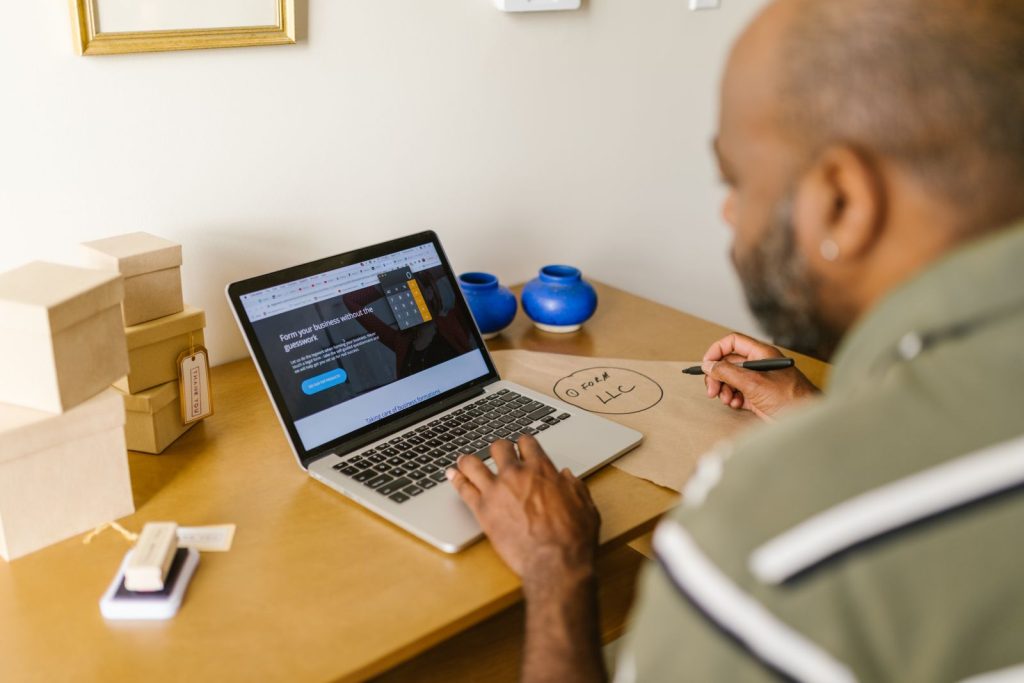
For many small businesses, having a website has been on the to-do list for years: important, but unclear. What exactly should be on it? Isn’t a Google listing and a social media page enough? And is the effort worth it if most customers come through referrals anyway? This article looks at the question from a practical angle — with no sales pressure.
What visitors are actually looking for on your website
Anyone searching online for a trade business, a practice, or a restaurant usually has a very specific question in mind: Does this business do exactly what I need? Is it near me? When is it open? And how do I get in touch? These four points decide within seconds whether someone reaches out or keeps looking.
That sounds obvious, but in practice it’s often overlooked. Many websites go into great detail about philosophy and tradition while burying opening hours, the range of services, and the phone number somewhere far below. A website that makes this basic information instantly visible is more valuable to a small business than an elaborate design with no clear message.
The core functions every small business website should deliver
- Findability: name, location and service are presented so that both people and search engines understand them instantly.
- Clarity about the offer: a clear breakdown of what you do — and what you deliberately don’t offer.
- Trust: real photos from the business, named contacts, verifiable information about the company.
- Reachability: phone, email or contact form — clearly visible, including on a smartphone.
- Technical soundness: the site loads quickly, works on mobile, is encrypted via HTTPS, and is kept up to date.
Everything beyond that — a blog, a photo gallery, a booking system, a newsletter — can be worthwhile, but it’s secondary. Anyone who starts with these five points has already captured most of the value.
The usual paths to your own website
In practice, three paths lead to the goal, and each has its own quirks. Which one fits depends less on budget than on how much ongoing time you’re willing to invest.
Building it yourself with a website builder. The entry cost is low and you can make changes yourself at any time. In return, the entire effort sits with you: structure, layout, copy, images, updates. Anyone who enjoys this and can spare the time gets on well with it. Anyone who has neither tends, in practice, to end up with a half-finished site.
Custom development through an agency. The result is tailored exactly to the business. That comes with a larger upfront investment, and coordination takes time. What matters most here is what happens after launch: who maintains the site, who keeps the technology current, and how does a change get made two years down the line?
A ready-made industry template at a running price. You choose an existing design and fill it with your own content. Creative freedom is deliberately limited — in return, setup, operation and maintenance are settled from day one and costs are predictable. This is the path we offer at Baum Creative.
What you have to contribute yourself, no matter which path
Regardless of the path chosen, one thing holds true: the content comes from your business. No outsider knows what services you really offer, how your pricing is structured, or which references you’re allowed to show. Plan firmly on providing your own text and your own images. That’s the part that takes the most time — and the part that determines the quality of the finished site.
With us this is deliberately built in, and we’d rather say it upfront than afterwards: we don’t write custom copy for you, and we don’t do photo shoots. The content of the imprint and privacy policy is also your responsibility — only your business knows the details that belong there.
What to check before you decide
- Total cost, not entry price: ask to see exactly what’s included in the price and what gets billed separately later.
- Ongoing operation: hosting, an SSL certificate and regular security updates belong to every website. Check whether they’re included or charged extra.
- Day-to-day editability: clarify in advance how opening hours, prices or a photo get changed later — and whether you can do that yourself.
- The domain: it’s your business’s address on the web. Clarify who it’s registered to and who manages it.
- Realistic timing: the technical setup is usually done quickly. What takes time is gathering your own content.
How this works in practice at Baum Creative
You choose a design from our ready-made industry websites — for example from the Crafts & Construction, Health & Care, Gastronomy & Food or Services & Trade categories. This design is installed exactly as you see it in the preview — initially with placeholder text and placeholder images. Roughly 48 hours after ordering, this demo goes live.
After that, you replace the placeholders with your own content, using the built-in page builder: click, swap, done — no coding knowledge required. Two 45-minute online sessions per year are also included, in which you tell us what needs to change and we implement it together with you.
The fixed annual price also includes hosting, an SSL certificate, five email mailboxes on your own company domain, a contact form, a mobile-optimized layout, basic technical SEO settings, and ongoing security and maintenance updates. You see this annual price in the cart before you order — with no large upfront payment to get started.
Conclusion
A website for a small business doesn’t need to be spectacular. It needs to be findable, state clearly what the business offers, build trust, and provide a simple way to get in touch. Everything else can come later. The real decision, then, is less a design question than an organizational one: who will look after it long-term, and what content can you realistically contribute? Anyone who answers these two questions honestly beforehand chooses far more confidently between a website builder, a custom project, and a ready-made industry template from Baum Creative.